Austin Vacancy Rate Hit 13.8% — a Ten-Year High. But Is Your Debt Vacant Too?
James Whitfield
13.8%.
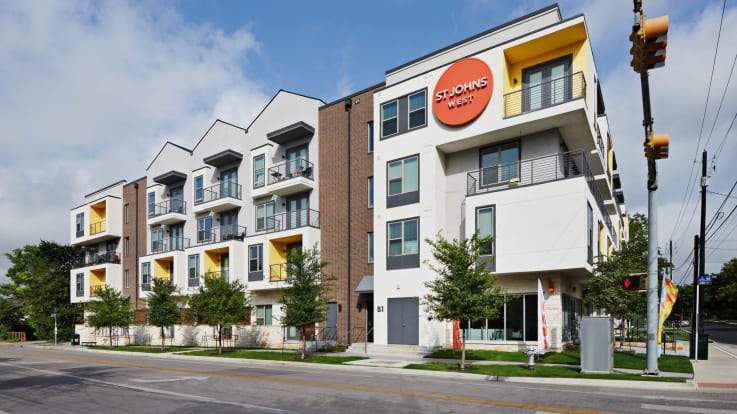
That's the apartment vacancy rate in Austin right now. The highest it's been in ten years. Over 30,000 new units delivered in the past year. Landlords offering two months free, waived deposits, gift cards for signing.
The market is flooded with empty apartments.
And I keep thinking: how many of those empty units have mirrors? Because the people who should be looking in them are the ones carrying around debt they haven't looked at in months.
Someone I worked with — let's call him Paul — is a construction worker in East Austin. He builds the very apartments that are sitting empty. Makes $52,000 a year. Solid overtime in the summer.
He came to me in July with a problem I see constantly. "I know I have debt," he said. "I just don't know how much."
That's not ignorance. That's avoidance. And avoidance is expensive.
The Vacant Debt Problem
Paul had six credit cards. He knew about four of them. The other two? "I think one was for a mattress store. The other might have been a gas card from 2019."
He hadn't checked his credit report in two years. He hadn't added up his balances in longer than that. He was making minimum payments on autopay and hoping the total wasn't growing.
It was growing.
When we finally pulled everything together:
- Credit Card 1: $4,200 at 24.99%
- Credit Card 2: $2,800 at 22.49%
- Credit Card 3: $1,900 at 19.99%
- Credit Card 4: $3,400 at 26.99% (mattress store — I was right)
- Credit Card 5: $890 at 24.99% (the gas card he forgot about)
- Credit Card 6: $5,100 at 21.99%
- Car loan: $14,200 at 7.99%
Total: $32,490.
His minimum payments alone: $847 a month.
His rent: $1,280.
His take-home pay: $3,400.
After rent and minimum debt payments, he had $1,273 left for everything else. Food. Gas. Insurance. Phone. Utilities. And he was supposed to find extra money to actually pay down the principal?
"I feel sick," he said.
"That's the right feeling," I told him. "Now let's do something about it."
Why Austin's Empty Apartments Matter
Here's the connection I want you to see. Austin has 13.8% vacancy because supply exceeded demand. Developers built too fast. Rents got too high. People got priced out or moved to Round Rock, Pflugerville, Cedar Park.
Your debt has a vacancy rate too. It's the percentage of your debt that you're not actively managing. The cards you forgot about. The balances you haven't checked. The autopays you set up and never reviewed.
Paul's debt vacancy rate? I'd estimate 40%. Nearly half his debt was invisible to him. He was paying rent on mental space he didn't even know he was occupying.
| Paul's Debt Inventory | Balance | APR | Min Payment | Status |
|---|---|---|---|---|
| --- | --- | --- | --- | --- |
| Credit Card 1 | $4,200 | 24.99% | $105 | Active |
| Credit Card 2 | $2,800 | 22.49% | $70 | Active |
| Credit Card 3 | $1,900 | 19.99% | $48 | Active |
| Credit Card 4 (mattress) | $3,400 | 26.99% | $85 | Forgotten |
| Credit Card 5 (gas) | $890 | 24.99% | $22 | Forgotten |
| Credit Card 6 | $5,100 | 21.99% | $128 | Active |
| Car Loan | $14,200 | 7.99% | $310 | Active |
| **Total** | **$32,490** | **—** | **$768** | **—** |
Notice something? His "forgotten" cards weren't small. $3,400 at 26.99% APR. That's his highest-rate debt. And he was making minimum payments on autopay while it compounded in the dark.
The DIY Debt Tracker
I don't use apps anymore. I used to. Six of them. Mint, YNAB, EveryDollar, a spreadsheet from Reddit, a notebook my wife bought me that said "DEBT FREE" on the cover, and something called PocketGuard that I don't remember downloading.
They all had the same problem. They made my debt look manageable. Color-coded. Categorized. Pretty charts. Meanwhile, the actual numbers were still terrifying.
So I built my own system. A simple spreadsheet. One page. No formulas more complicated than addition.
Here's what I had Paul do. And what I'm asking you to do.
Step 1: The Inventory
List every debt. Every single one. The cards you use. The cards you forgot. The medical bill from 2021. The buy-now-pay-later from Amazon. The personal loan from your uncle.
Name. Lender. Balance. APR. Minimum payment. Due date.
If you don't know the APR, call and ask. They have to tell you. It's federal law.
Step 2: The Sort
Sort by APR, highest to lowest. This is the avalanche method. Mathematically optimal.
Or sort by balance, smallest to largest. This is the snowball method. Psychologically optimal.
Paul chose snowball. He needed a win. Fast.
Step 3: The Attack
Minimum payments on everything. Every extra dollar to the target debt. No exceptions.
Paul found $340 in his budget. Overtime he was already working but spending on "whatever." We redirected it.
His smallest debt was the gas card: $890 at 24.99%. With an extra $340/month, he'd pay it off in 3 months.
Three months to his first "PAID IN FULL." Three months to proof that this works.
The Austin Parallel
Austin's apartment market is correcting because supply finally caught up. Rents are dropping. Vacancy is rising. The market is forcing landlords to compete.
Your debt doesn't self-correct. It doesn't get cheaper because you ignored it. It gets more expensive. Compound interest doesn't negotiate.
But you can create your own correction. You can flood your debt with payments. You can make your principal balance so unattractive to the lender that they start offering you balance transfer deals just to keep you.
That's power. That's what happens when you stop being vacant and start being intentional.
What 13.8% Vacancy Really Means
Let me put Austin's vacancy rate in perspective. In 2021, during the boom, vacancy was 4%. Four percent. Landlords could charge whatever they wanted. People were bidding on apartments.
Now it's 13.8%. The power dynamic flipped. Renters have leverage. They can negotiate. They can walk away. They can demand concessions.
Your debt power dynamic can flip too. But not by accident. Not by hoping. By tracking. By knowing. By attacking.
Paul's debt at 13.8% "vacancy" — meaning 13.8% of his income going to invisible, unmanaged debt? That was his life two months ago.
Now? He's at 8%. And dropping. Because he knows every number. Because he checks his tracker every Sunday. Because he treats his debt like a job.
P.S. Paul paid off that gas card last week. $890. Gone. He sent me a photo of the "PAID IN FULL" letter. Then he sent me another photo. He had taken the card, cut it into six pieces, and arranged them in a frame with the caption: "First of many." I have that photo saved on my phone. I look at it when I get tired of writing about debt. Because that's not math. That's a person taking his life back.