You think APR is the whole story? It’s not even half.
I used to work with a guy who sold mortgages. He’d tell clients “the APR is 4.5%” and they’d nod. Then at closing, they’d see different numbers and get confused. He’d say “oh, that’s the effective rate. Different thing.” They’d just sign. Nobody wants to admit they don’t understand.
So let me clear this up. APR, APY, effective rate – they’re all ways of saying “how much this loan really costs.” But they calculate it differently. And the difference can cost you thousands.
APR – Annual Percentage Rate
This is the one you see in ads. “Apply now – 6.9% APR!” It includes the interest rate plus some fees, spread out over the loan term. But it assumes simple interest – no compounding within the year. For credit cards, APR is the daily periodic rate times 365. That’s close to what you pay, but not exactly.
APY – Annual Percentage Yield
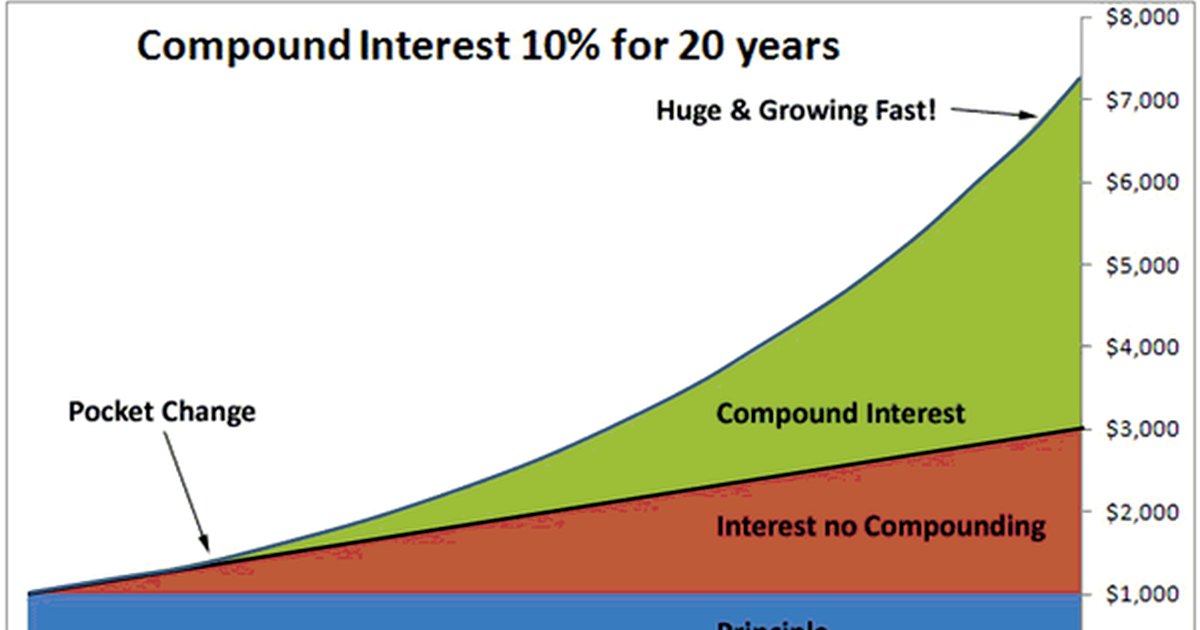
This is what you earn on savings, but it’s also what you pay on debt if interest compounds. APY includes the effect of compounding – interest on interest. For credit cards, the APY is usually higher than the APR because they compound daily.
Effective Rate
This is the true cost of a loan after including fees, compounding, and any other charges. It’s the most honest number – which is why banks don’t advertise it.
Let me give you an example. You have a credit card with a stated APR of 18%. They compound daily. Your APY is about 19.7%. That’s what you actually pay. On a $10,000 balance, the difference between 18% APR and 19.7% APY is about $170 a year. Not huge, but not nothing.
Someone I worked with – let’s call her Lisa – had $25k on a card at 22% APR. She didn’t know about daily compounding. She thought her effective rate was 22%. It was actually 24.3%. That cost her an extra $575 a year. When I showed her, she said “why don’t they just tell me the real number?” Because you wouldn’t borrow.
Use the credit card interest calculator to see your actual cost.
That tool uses your APR and shows you the total interest. But if you want the APY, multiply your daily periodic rate by 365. Or just know that for credit cards, the APY is about 0.1-0.5% higher than APR. For mortgages and car loans with monthly compounding, the difference is smaller.
Now, here’s where it gets tricky. Loans have fees. A mortgage with 4% APR might have $5,000 in closing costs. Your effective rate – including those fees spread over the time you keep the loan – could be 4.5% or higher. That’s why you should never compare APRs alone. Ask for the effective rate or run your own numbers.
The loan amortization schedule shows you the breakdown of each payment.
Look at the total interest paid over the life of the loan. That number divided by the average balance gives you a rough effective rate. On a 30-year mortgage, the effective rate is often higher than the APR because of the way interest is front-loaded.
I remember a guy named Mark. He was comparing two car loans. Loan A had 6.5% APR with $500 in fees. Loan B had 7.0% APR with $0 fees. He thought Loan A was better. We calculated the effective rate – Loan A was actually 6.9% because the fees were spread over only 48 months. Loan B was 7.0%. Tiny difference. He chose Loan B to avoid the hassle.
But on a larger loan, fees matter. A $300,000 mortgage with 4.5% APR and $6,000 in fees – effective rate over 5 years (if you sell) could be 5.2%. Over 30 years, it drops to 4.6%. So your effective rate depends on how long you keep the loan.
That’s why the debt payoff calculator is useful. It shows you the total cost of debt, not just the rate.
When you compare two loans, look at the total interest + fees. That’s your real cost. APR is just a starting point.
Now, a quick rule of thumb. For credit cards, assume APY ≈ APR + 1-2% depending on compounding frequency. For mortgages and car loans with monthly payments, APY is only slightly higher than APR – about 0.1% for a 6% loan. But fees can change everything.
If you’re shopping for a loan, ask for the “annual percentage yield” or “effective interest rate.” If the lender won’t give it, run the numbers yourself. You can usually find an online calculator.
A friend of mine – not a client – was offered a personal loan at 11% APR with a 5% origination fee. He thought 11% was good. But the fee made his effective rate about 16% over two years. He would have been better off with a credit card. He didn’t take the loan.
So here’s your cheat sheet. APR is what they advertise. APY is what you pay if interest compounds. Effective rate is what you really pay after all fees. Always ask for the effective rate.
And remember: the lowest APR isn’t always the cheapest loan. A 0% APR with a 5% fee might be worse than a 6% APR with no fees. Run the numbers.
P.S. Lisa – the one with the 22% card – she transferred to a 0% card with a 3% fee. Her effective rate over 15 months was about 2.5% (the fee spread out). She saved over $2,000. She told me “I finally understand why APR and APY are different.” Progress.
James